October 26, 2026
Meet Our 2026 Catalyst Awards Winners
Celebrating the Next Generation of Life Science Leaders
Now in its 11th year, the Biocom Catalyst Awards honor emerging leaders under 40 shaping the future of life science in California and beyond. The 2026 cohort of 13 awardees represents a wide range of innovations, from AI-designed drugs and personalized cancer vaccines to gene and epigenetic editing, immune-resetting cell therapies, transparent tissue and healthier soils. The group also includes investors and ecosystem builders who help bring groundbreaking science to patients. Get to know this year’s winners.
ioana-aanei
Building Bridges for One-Time Genetic Cures
Ioana Aanei, Ph.D., director, business development and alliance management, Scribe Therapeutics
Ioana Aanei is the bridge between Scribe Therapeutics and the outside world. Scribe engineers CRISPR-based genetic medicines designed to fix the genetic cause of disease in a single treatment, using highly specific guides to steer editing to the exact spot in the genome while avoiding off-target side effects. “When I first heard about what we’re doing, it felt like sci-fi,” she says. With two recent grants from the California Institute for Regenerative Medicine, Scribe is advancing therapies that lower Lp(a) and ApoC3, two drivers of cardiovascular disease, the world’s leading cause of death.
Ioana manages Scribe’s pharma partnerships and seeks collaborators whose disease expertise complements its technology. Her path began with childhood attempts to make perfume from crushed flowers and led through physics and chemistry to a Ph.D. in chemical biology, then to QB3, the entrepreneurship hub, instead of the bench. Her advice to young scientists: deep training never goes away, and there are far more careers than bench scientist or professor. She sees the Catalyst Award as recognition of a leadership style: “You’re not just elbowing your way to the front, you’re bringing people with you.”
Outside work, Ioana and her husband founded a support group for parents facing burnout, anxiety and depression, a space to “not be perfect and still be happy.” She recharges by restoring antique furniture, currently a sewing machine more than 100 years old.
sarah-allard
Digging Into the Microbes That Feed the World
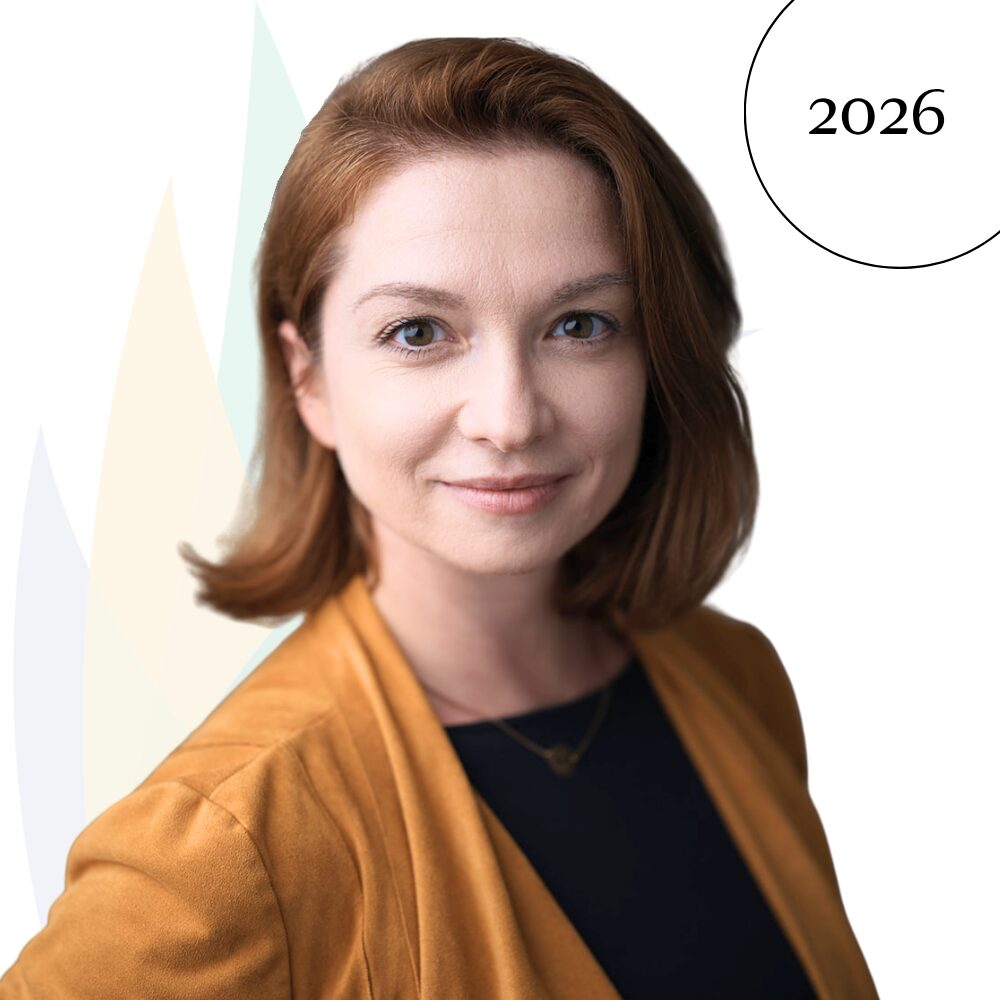
Sarah Allard, Ph.D., executive director, University of California, San Diego Soil Health Center
Sarah Allard leads the UC San Diego Soil Health Center, a new interdisciplinary center at Scripps Institution of Oceanography that unites research, education, outreach and policy to build healthier soils, strengthen food security, make food systems more climate-resilient and restore biodiversity. Its science centers on microorganisms, the invisible communities that help crops thrive, buffer farmland against climate stress and lock carbon in the ground. Sarah brings researchers together across the university, builds new programs and connects the center with partners worldwide. “My work really does seek to catalyze new research,” she says.
Raised in rural Vermont, with time on her grandparents’ farm, Sarah’s first research project studied bees and crop pollination. She later turned her expertise in the human microbiome toward agriculture. Much of her work now happens alongside local farmers. “They are scientists themselves,” she says of the two-way exchange that blends their knowledge with the center’s data. Coming from a rural background underrepresented in science, she makes a point of showing students the many paths a science career can take.
In San Diego, Sarah is vice president of her daughter’s school foundation and sings in a free, community-run chamber choir. She and her daughter also planted a front-yard shared garden of herbs and hot peppers for neighbors to enjoy.
aarash-bordbar
Erasing the Trade-Offs of Parkinson’s Treatment
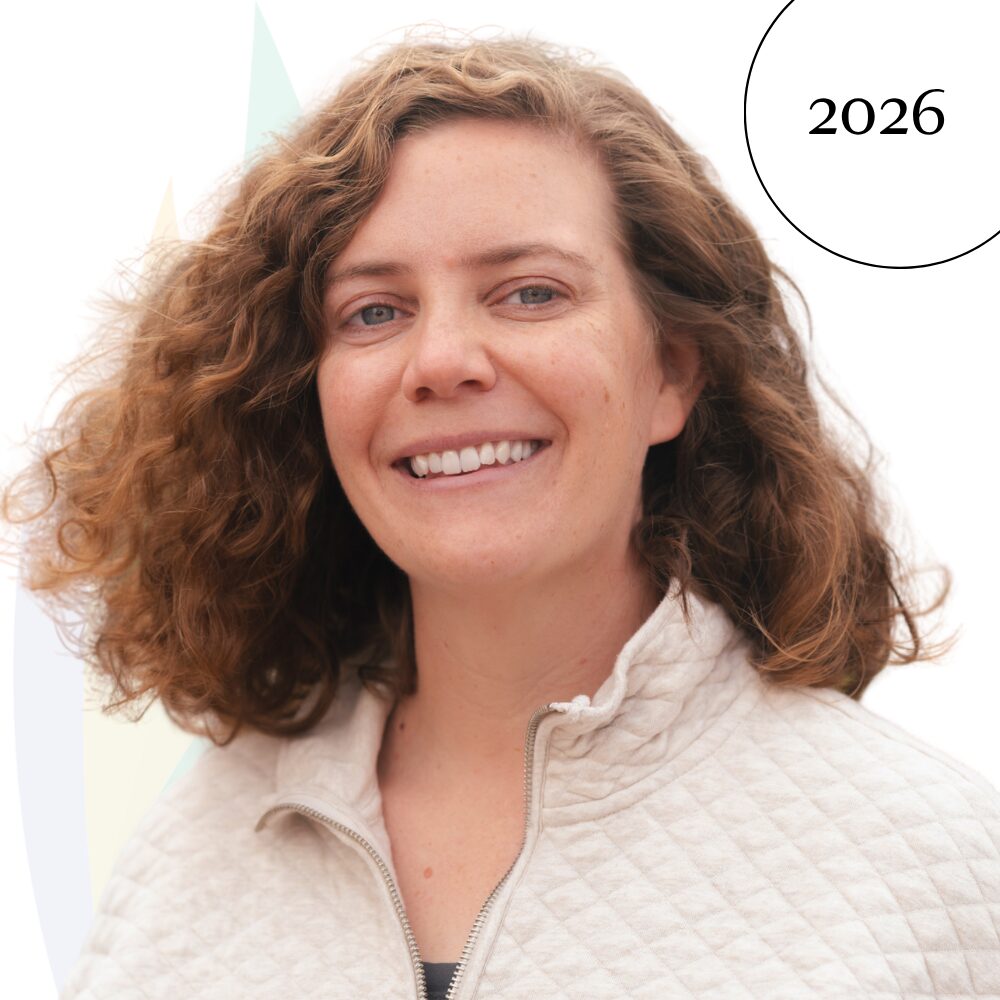
Aarash Bordbar, Ph.D., co-founder, CEO, CSO and board member, Sinopia Biosciences
Aarash Bordbar co-founded Sinopia Biosciences on a conviction formed during his bioengineering graduate work at UC San Diego: that omics data combined with high-powered computation could reveal drug targets that conventional approaches miss. Pairing transcriptomics with machine learning, Sinopia identified an unexpected Parkinson’s target, protein kinase A, and a compound, SB-110, now in late-stage preclinical development, with first-in-human dosing targeted for 2027.
SB-110 addresses a hard reality of Parkinson’s care. Levodopa works well early on, but over time many patients develop dyskinesia and motor fluctuations, forcing trade-offs about how much to take and when. In preclinical studies, SB-110 boosts levodopa’s benefit while reducing those complications. “We’re hoping that these trade-offs would basically go away,” Aarash says. The mission is personal: one of his uncles lives with Parkinson’s, and an uncle-in-law died of it.
Raised in the Bay Area by two electrical engineers, Aarash was steered toward computer science until a high school biology teacher changed his course. He calls the Catalyst Award a sign Sinopia is on the right track. He volunteers with UC San Diego’s Micro MBA coffee chats, guiding graduate students toward entrepreneurship, and stays balanced by running and cycling. He completed several half marathons last year, a mindset he says mirrors building a company.
anastasia-budinskaya
Closing the Data Gap in Women’s Health
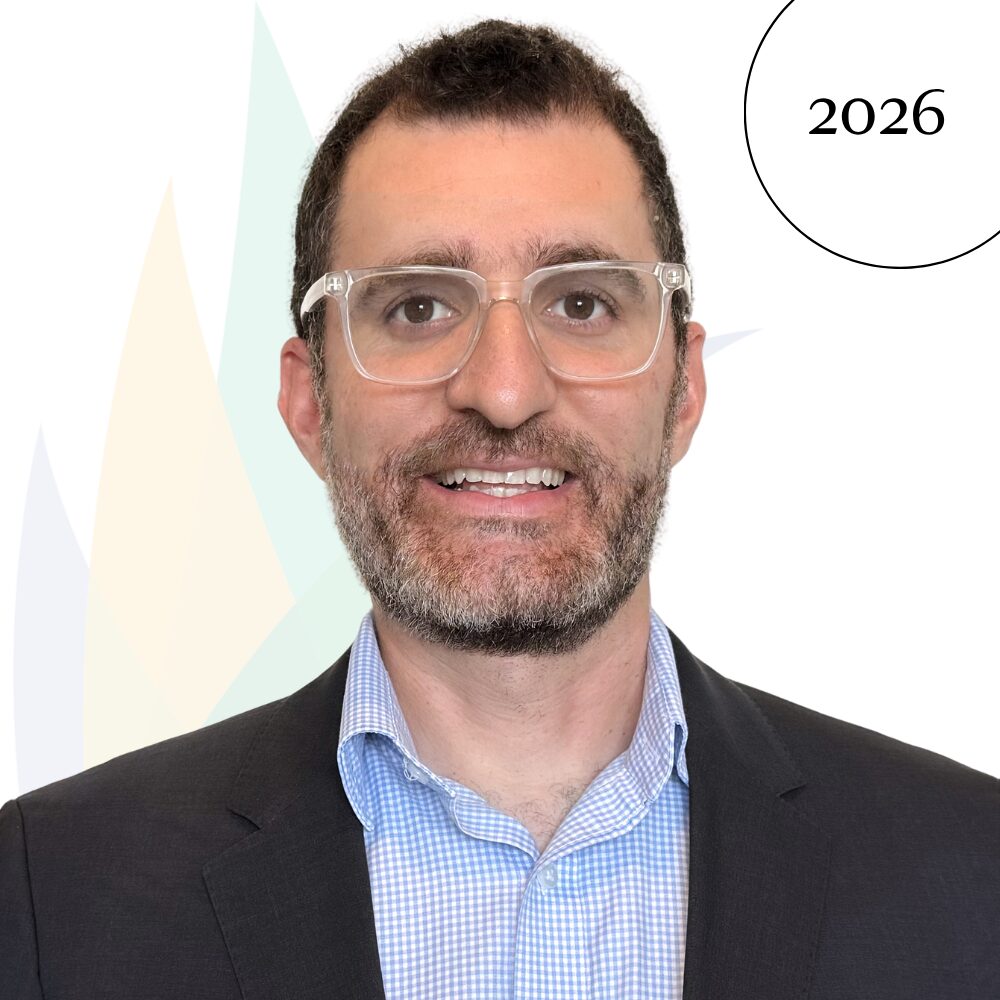
Anastasia Budinskaya, M.S., principal, NFX
As a principal at seed-stage venture firm NFX, Anastasia Budinskaya sources and diligences new companies, founded the firm’s women’s health practice and invests across tech-bio, longevity and neurology. “‘Can’t’ is not in my vocabulary,” she says. “It’s more like, how do we make this happen?”
One of her bets is Cyclana Bio, founded by former Altos Labs scientists. Cyclana builds human tissue models that capture the extracellular matrix, the protein scaffolding that shapes how cells behave, to discover drugs for endometriosis, which affects roughly 1 in 10 women. Today’s options largely manage pain or induce menopause; Cyclana aims to halt lesion growth and prevent new lesions. The biggest gap she sees is data: even major cohorts lack cycle- and hormone-tracked datasets. At the end of 2026, she will leave NFX to launch a company building in women’s health.
From four generations of surgeons and a dentist mother, Anastasia chose engineering instead, earning two biomedical engineering degrees before running epilepsy trials, leading clinical and corporate development at startups and moving into venture. Beyond NFX, she helps run One Ecosystem in Bio, hosting events worldwide that connect founders, funders and students. “One of the best things anyone can do is to be a super connector,” she says. Her escape is the sky: she is earning her pilot’s license.
kevin-caldwell
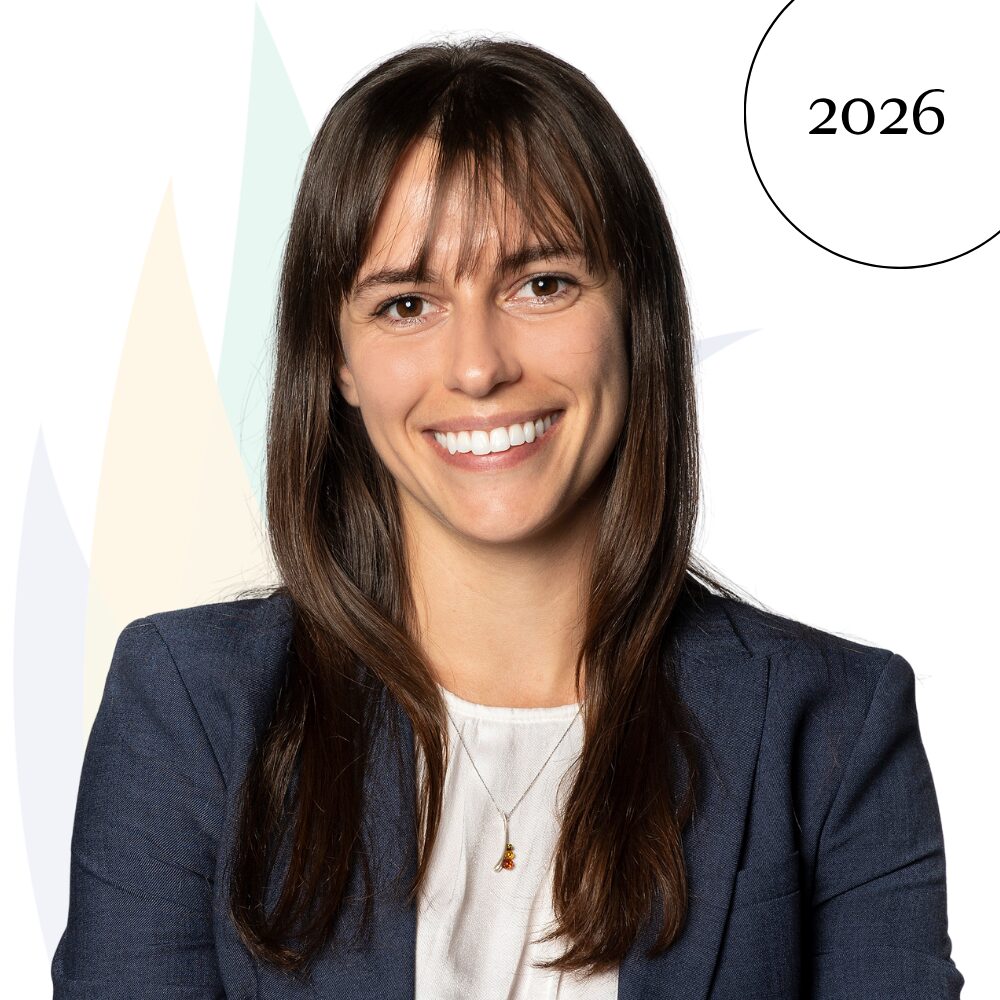
Banking Bone Marrow for Patients Who Can’t Wait
Kevin Caldwell, J.D., co-founder, president and CEO, Ossium Health
Kevin Caldwell co-founded Ossium Health just over a decade ago to improve human health and longevity by reconstituting, and ultimately reprogramming, the immune system. Its first focus is blood cancers. Each year, roughly 20,000 U.S. patients with blood cancers such as leukemia search for a bone marrow donor, and thousands die without finding a match in time. Ossium recovers bone marrow from consented deceased organ donors, cryopreserves it with protocols that keep the cells viable, and partners with organ procurement organizations and transplant centers. The result is the world’s first bank of on-demand bone marrow, treating patients since 2024. “The results today have been phenomenal,” Kevin says, “but it’s the first of many.”
Kevin studied astrophysics, then explored economics, law and hedge fund investing before asking what work he’d be proudest of at 90. The answer led him to biotech at the age of 29. “Careers are long,” he says. “I would encourage people to explore until they really find their calling.” Growing up on a Tennessee farm, he found wonder in the night sky and in periodical cicadas; he later found as much in human cells. He aims to build “the Lilly for the 21st and 22nd century.”
Every month, Kevin advises aspiring entrepreneurs. He exercises nearly daily, including walking to and from work wearing a 50-pound rucksack, and is an avid science fiction reader.

david-de-vries
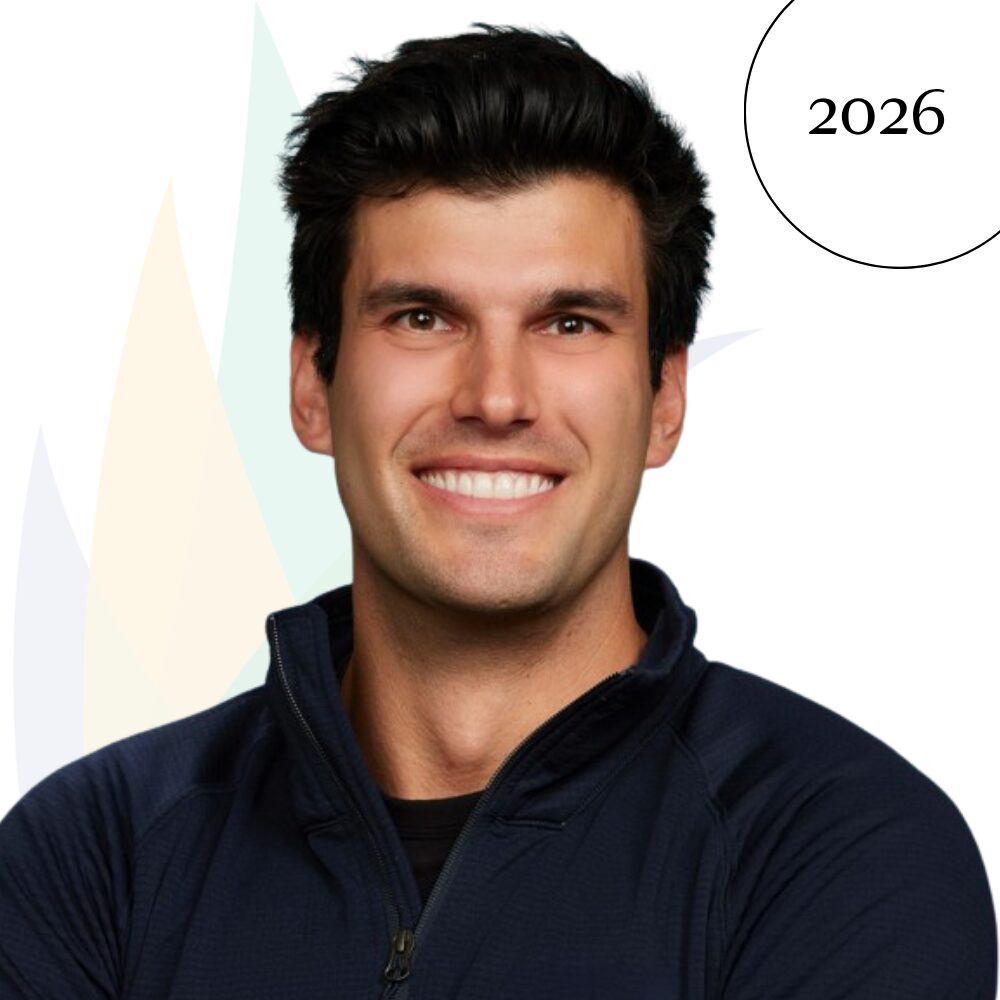
Resetting the Immune System With Living Drugs
David de Vries, M.Phil., co-founder and CEO, Tr1X
David de Vries leads Tr1X, a San Diego biotech working to cure autoimmune and inflammatory disorders with cell therapies that reset the immune system, so patients can live without lifelong medication. Autoimmune treatment has moved from broad immunosuppression to targeted biologics to therapies that deplete disease-driving cells. Tr1X goes further by combining three technologies: living drugs that mimic regulatory T cells, the immune system’s natural brakes; an allogeneic, off-the-shelf approach that yields many doses from a single healthy donor, opening cell therapy to diseases affecting millions, such as Crohn’s disease and multiple sclerosis; and engineering that tailors cells to specific tasks. Its three programs target T cell-driven, B cell-driven and fibrotic diseases.
David calls the award “one other piece of validation” that belongs to the whole company. A childhood dream of marine biology gave way to neuroscience, then a winding career through health policy at the RAND Corporation, digital health at Proteus Digital Health and co-founding Arine, which used machine learning to put patients on the right drug at the right dose. “If I can do it, anybody can,” he says.
David has volunteered with the Boys & Girls Club and global health initiatives, helping young people access education and resources. A devoted sports fan who enjoys surfing, he remains a loyal, sometimes heartbroken Padres fan.
christopher-farina
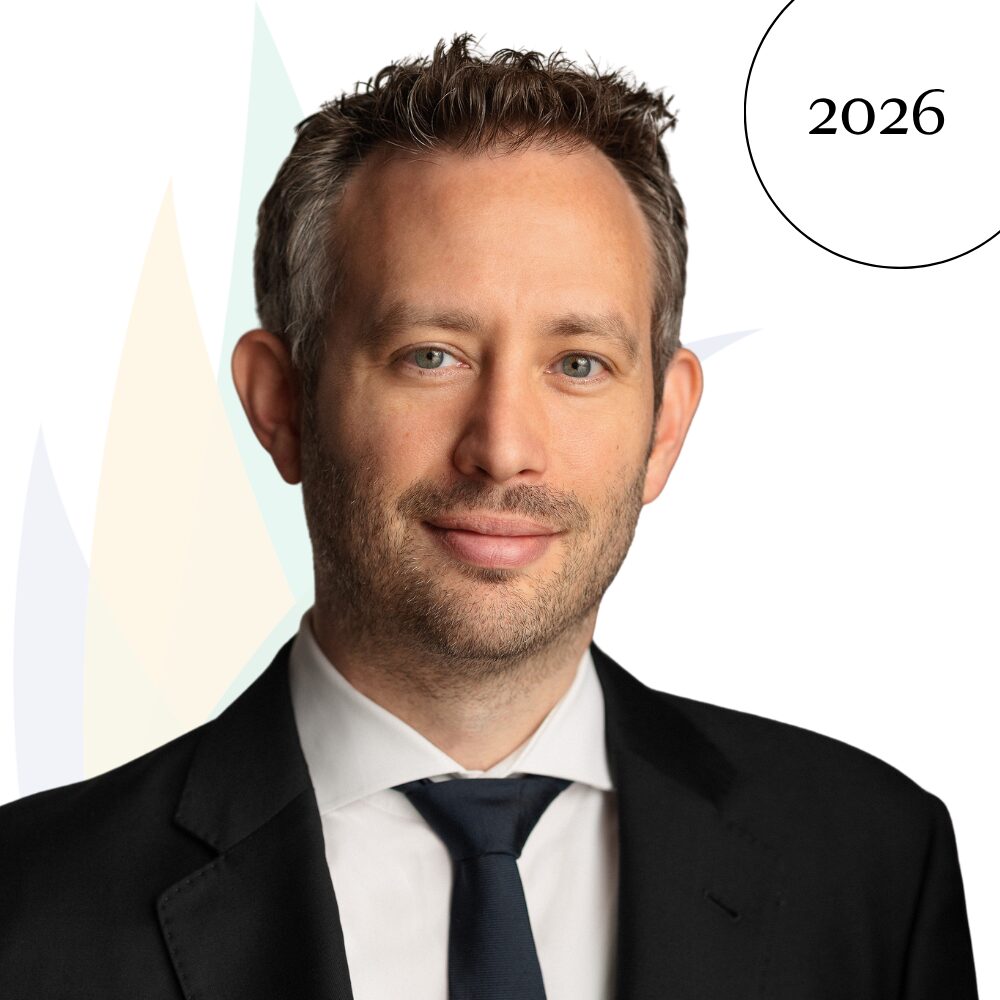
Cooling the Hidden Fire in Our Arteries
Christopher Farina, M.S., RAC, CEO, Abcentra
Christopher Farina leads Abcentra, a clinical-stage biotech targeting a root cause of the world’s leading killer: inflamed arteries. Many heart attacks still strike patients whose cholesterol and blood pressure look well controlled. Abcentra’s antibody targets a form of cholesterol that becomes dense and aggregated in the artery wall and drives local inflammation. Because the drug works in the vessel wall, it doesn’t change blood markers, so proving it works was hard. AI helped crack that: an Oxford-developed imaging technology detects coronary inflammation and flags patients at near-term risk. Abcentra’s global Phase 2b trial, FORTIFY, recently presented at the European Society of Cardiology Congress, uses it to enroll heart attack survivors with seemingly perfect risk factors but inflamed arteries, an approach he believes could make cardiovascular trials smaller, faster and cheaper.
Chris joined Abcentra 13 years ago and has been CEO for three and a half years. His interest traces to a take-your-kid-to-work day with his uncle, a Cedars-Sinai cardiologist. “Great science on its own is not enough to build a biotech company,” he says. “You have to have the right people and the right clinical development plan.”
A USC School of Pharmacy graduate, Chris serves on its alumni engagement board to help cultivate future leaders. He recharges at the beach, hiking and reading history and other fields.
evan-feinberg
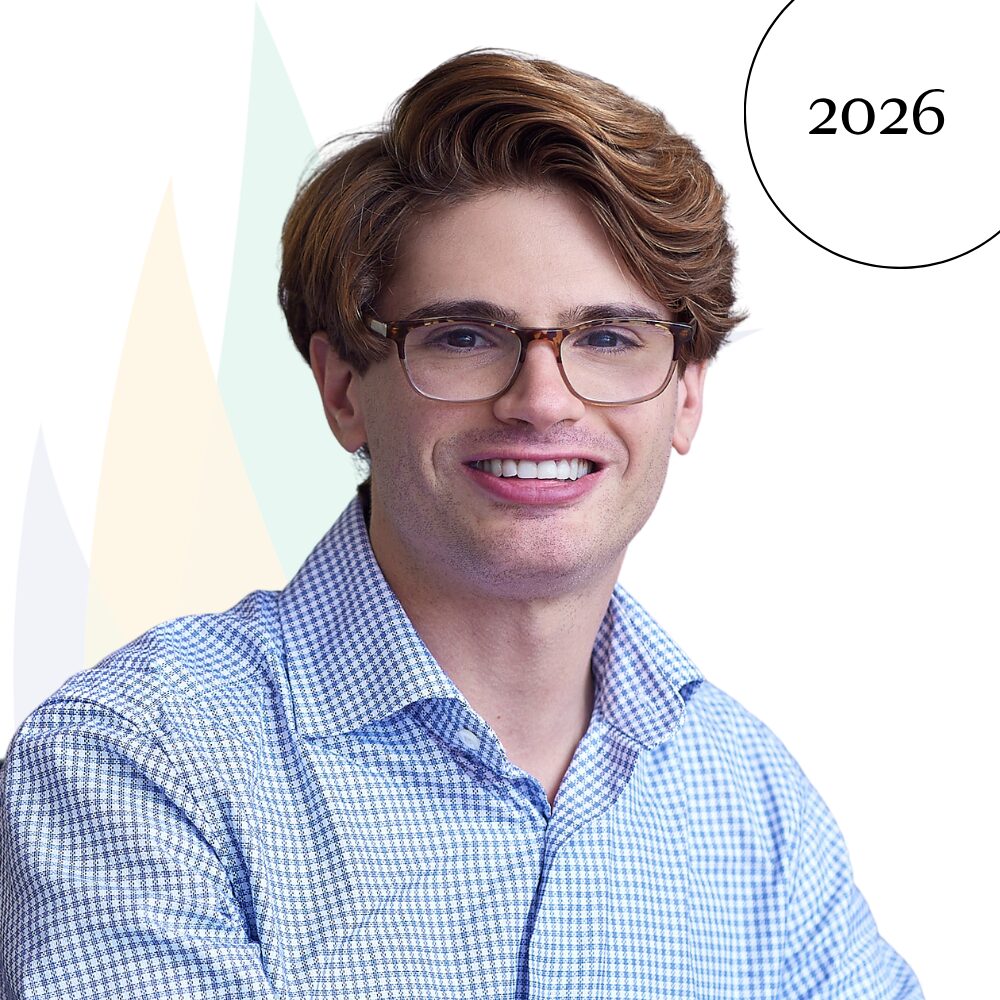
Using AI to Find the Right Key for Every Lock
Evan Feinberg, Ph.D., founder and CEO, Genesis Molecular AI
Evan Feinberg is scaling foundation models for drug discovery at Genesis Molecular AI, working with large pharma partners and in-house on medicines for high unmet needs. He describes a disease target as a lock and a drug as a key that must fit tightly and selectively while also having the right ADMET (absorption, distribution, metabolism, elimination and toxicity) properties. Genesis builds AI models accurate enough to search roughly 10^60 possible drug-like molecules and hand chemists a short list each cycle, combining new architectures, proprietary data and physics-based simulation. Just as a GPU’s performance is known before it’s built, Evan believes drugs can be designed confidently in silico.
As a graduate student in Vijay Pande’s Stanford lab, Evan helped pioneer deep learning for chemistry. His motivation took root at 16, interning at Alexion Pharmaceuticals, when he heard letters from patients thanking the company for giving them back their lives. He sees 2026 as “the beginning of a golden age for drug development,” in which cheaper discovery makes rare and neglected diseases economically feasible to treat.
Living with a rare genetic condition himself, Evan hopes his story shows that “with perseverance, anything is possible.” Between leading about 150 employees, family time with his toddler and roughly 10 hours of weekly physical therapy, he is weighing nonprofit board invitations, and treasures quiet hours with lectures or favorite jazz albums.
guosong-hong
Making the Invisible Visible Inside the Living Body
Guosong Hong, Ph.D., associate professor of materials science and engineering, Stanford University
Guosong Hong turns chemistry and physics into new ways of seeing inside the body. His Stanford lab sits within the Wu Tsai Neurosciences Institute. In a 2024 Science paper, his team made living tissue temporarily transparent. Tissue is opaque because water, lipids and proteins bend light differently; drawing on the century-old Kramers-Kronig relations, the team showed a strongly absorbing dye can even out those differences. The dye was tartrazine, an FDA-approved food coloring found in Doritos. Applied to live mice, it let researchers watch internal organs as the animals moved, non-invasively and reversibly. Cited more than 230 times, the technique is now used worldwide for deep-tissue imaging, light-based cancer therapy and retinal diagnosis. It builds on his Ph.D. work using carbon nanotubes that glow in the short-wave infrared to image blood flow through the intact skull.
Guosong grew up in 1990s China in a family where no one had a bachelor’s degree. A translated copy of The Golden Book of Chemistry Experiments inspired a bedroom lab and “quite a few explosions, but fortunately none of them was too serious.” He credits mentors, collaborators and his lab for the award.
He serves on the Stanford Bio-X leadership council and advises foundations and journals. At home, he treasures time with his wife and their two young children.
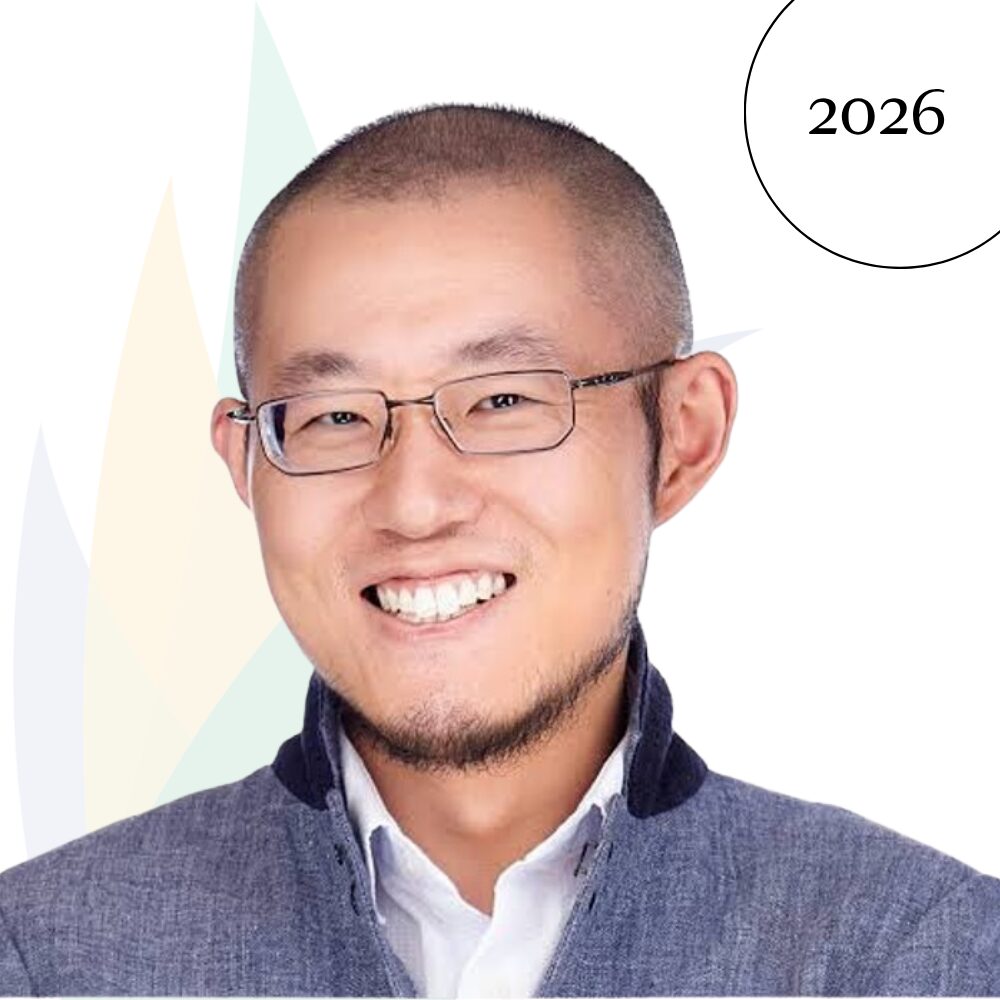
abubakar-jalloh
Clearing the Runway for San Diego’s Founders
Abubakar Jalloh, Ph.D., site head, BioLabs San Diego
Abubakar “Abu” Jalloh makes sure founders can focus on their science. At BioLabs San Diego, a lab co-working space founded in partnership with Biocom, his team handles everything else, from safety, procurement and compliance to investor introductions, while residents keep their IP and share about $3.5 million in instruments. “The idea is necessary but not sufficient,” he says. He has worked with more than 60 startups, mostly pre-seed and seed. One of BioLabs’ first clients, Forte Biosciences, grew from a single founder over seven years and in July 2026 agreed to be acquired by argenx for about $2.2 billion for its anti-CD122 antibody for autoimmune diseases.
Abu’s path ran from plant pathology to a Ph.D. in biomedical sciences, Boston biotech startups, San Diego process development and Scripps Research business development, where he taught a business of biotechnology class. He earned more than 40 Catalyst nominations and credits mentors who opened doors for him. He now pays it forward through Nucleate and BioLabs “golden tickets” that give promising, underfunded founders six to twelve months of lab access.
Abu is active in Spark Bio, previously led the San Diego Innovation Council and has built ties with labs including the Institut Pasteur in Senegal to share resources with West African scientists. At home, he spends time with his wife and two-year-old, composts and tends native plants.
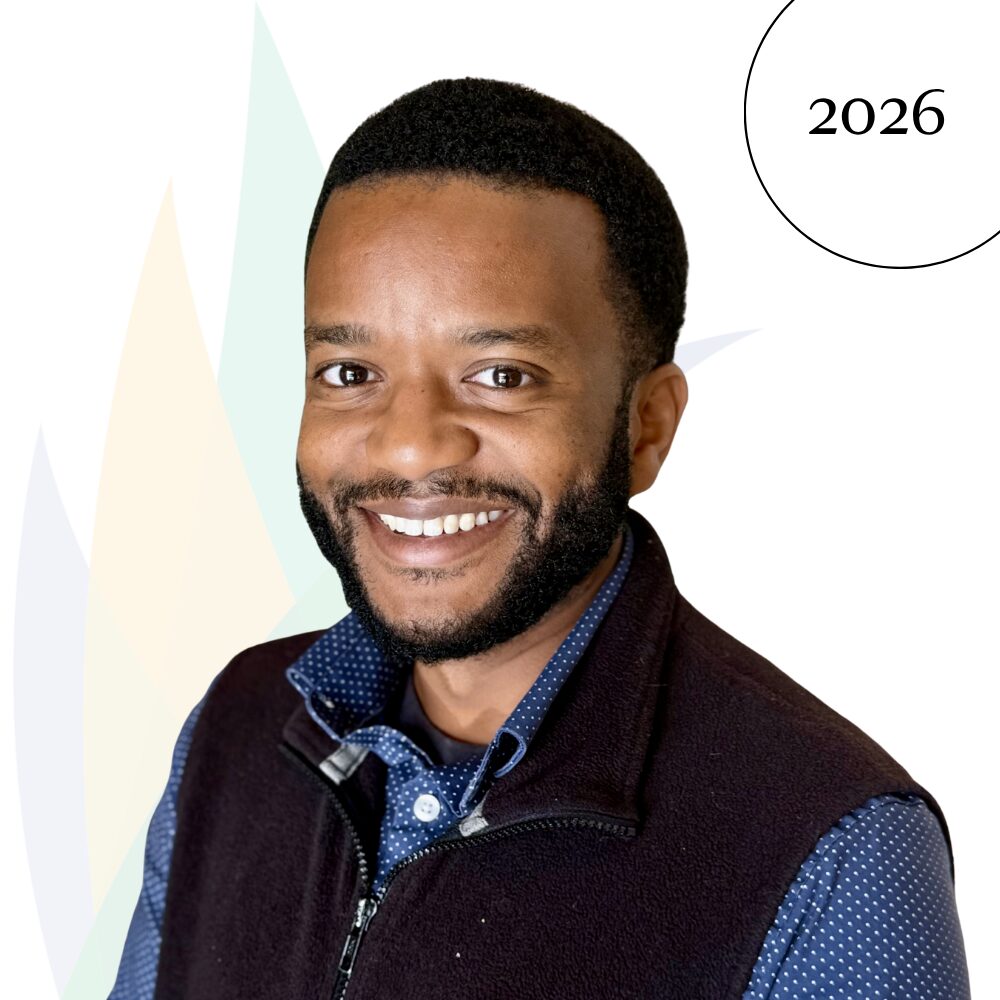
xin-jin
Mapping Every Citizen in the City of the Brain
Xin Jin, Ph.D., associate professor of neuroscience, Scripps Research and co-founder, PerturbAI
Xin Jin builds tools to understand how the brain’s many cell types enable our abilities, and what goes wrong in each when disease strikes. In 2025 she co-founded PerturbAI, an AI-native therapeutics company, and was named an HHMI Freeman Hrabowski Scholar. She compares the brain to a city whose cell types are citizens with distinct jobs; treating disease means finding which citizens, in which neighborhood, need help. Her lab’s in vivo Perturb-seq uses CRISPR to introduce thousands of genetic changes in parallel across brain regions and read out how each cell responds. A recent study profiled about 8 million cells across 2,000 perturbations, showing that the same mutation can affect one brain cell type very differently from another. Her team shared the dataset publicly, and researchers worldwide now build on it.
Xin’s curiosity began in botanical gardens with her grandfather, a botanist, and led to chemistry, then neuroscience during her Ph.D. studying C. elegans. Science means usually being wrong, so “you need to enjoy the rise and the fall,” she says. She credits generous mentors and pays it forward with her trainees. Her advice: “Don’t talk yourself out of it. Go to that first internship. Start doing your first PCR. Let the science and excitement lead you.”
In San Diego, Xin took up gardening, which taught her patience and to love the process, rather than focusing solely on the outcome.

lada-nuzhna
Rewriting the Instructions of Aging
Lada Nuzhna, M.S., CEO, General Control
Lada Nuzhna is building tools to rewrite how genes are expressed. General Control, her San Francisco company, develops epigenetic medicines for age-related diseases, with a goal of setting any gene to any level of expression, in any combination. Epigenetic editing changes whether genes are switched on without altering the DNA sequence and promises lasting effects from one treatment. Lada believes aging, at its limit many diseases at once, will demand medicines that target many genes, not a lifetime of overlapping drug regimens. With billions of base pairs and thousands of possible factors, predicting which edit to write is the core challenge, and General Control deliberately took on hard targets. “We committed to the hard thing,” she says. The small team hopes to reach the clinic next year.
“Aging is really the disease that everyone develops,” Lada says. First drawn to physics, she found drug development a more practical path. She urges young people not to wait, noting Genentech and Gilead were started by 29-year-olds: “Go join the company. There is no substitute for real-life application.”
Before General Control, she started and ran Impetus Grants, which provided first checks for high-risk aging research and launched more than 150 projects. Her daily ritual is continuous learning: early mornings reading new papers. The habit, she says, shifts her perspective, sparks new ideas and keeps her from developing tunnel vision.

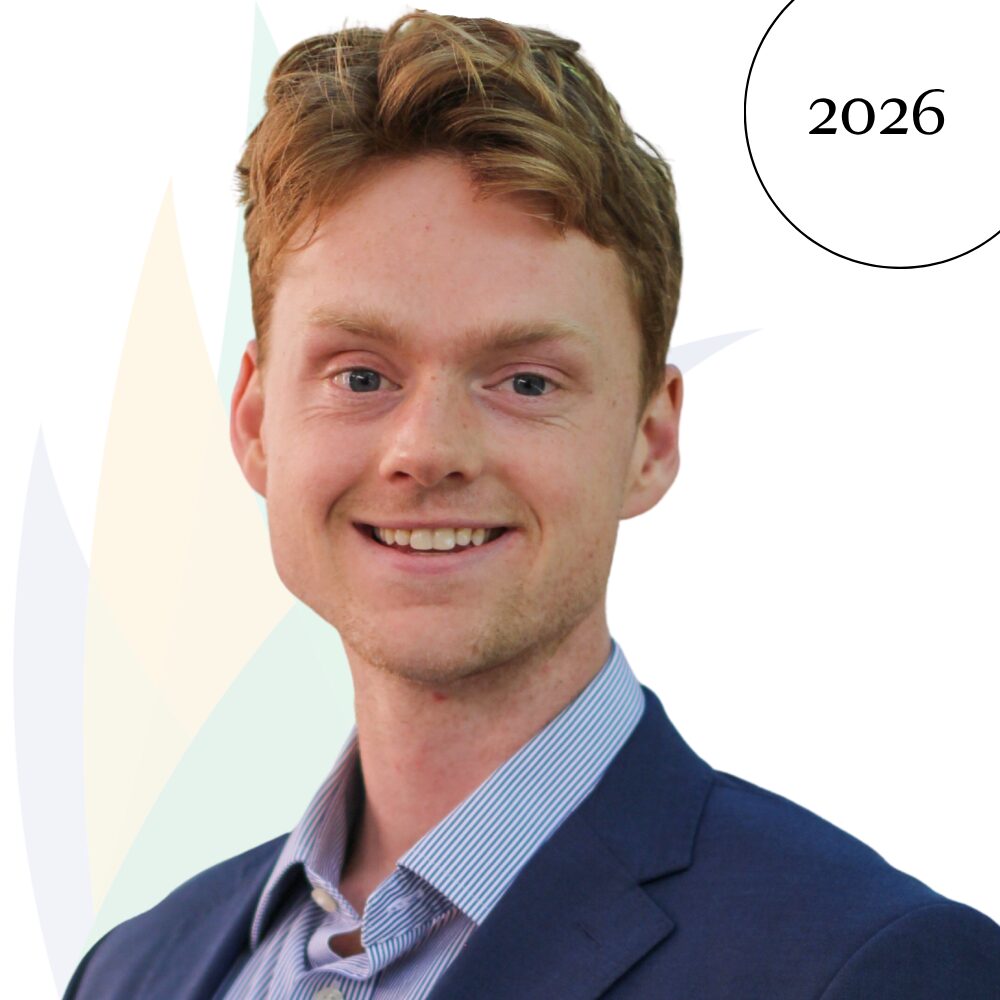
timothy-sears
Designing Personalized Cancer Vaccines With AI
Timothy Sears, Ph.D., co-founder and CEO, Invoke Bio
Timothy “TJ” Sears co-founded Invoke Bio almost by accident: while he was developing algorithms for personalized immunotherapies at UC San Diego, so many patients asked for help building cancer vaccines that the team spun out a company. Invoke treats cancer as an “N of one” disease and the immune system as a black box, using AI to let the immune system itself label training data, essentially asking cells what they find intolerable in a cancer. Its models design personalized vaccines that target about 25 tumor features at once, setting a trap the cancer can’t easily evolve around. Invoke delivers them today through the FDA’s expanded access pathway; TJ’s goal is an approved, reimbursed product that millions can access.
The work is personal. Invoke helped design a peptide vaccine for a family friend with stage 4 pancreatic cancer, who is doing well. TJ himself was diagnosed with severe ulcerative colitis at age two; by college he weighed 130 pounds at six feet tall, until the antibody Remicade changed everything. “That experience has just made me so grateful for all the research,” he says.
TJ co-chairs the data and AI branch of a large Foundation for the National Institutes of Health effort to fund cancer vaccine trials, and mentored students through UC San Diego’s STARS program. He stays balanced by running, biking, hiking and camping.
Catalysts for What Comes Next
From soil microbes to brain circuits, the 2026 Catalyst Award winners show that progress in human health comes from many directions at once. Many are driven by deeply personal reasons, and nearly all credit the mentors who lifted them up, now doing the same for the students and founders coming next. Together, they reflect what makes California’s life science community thrive: bold science, collaboration and a commitment to bringing the next generation along.