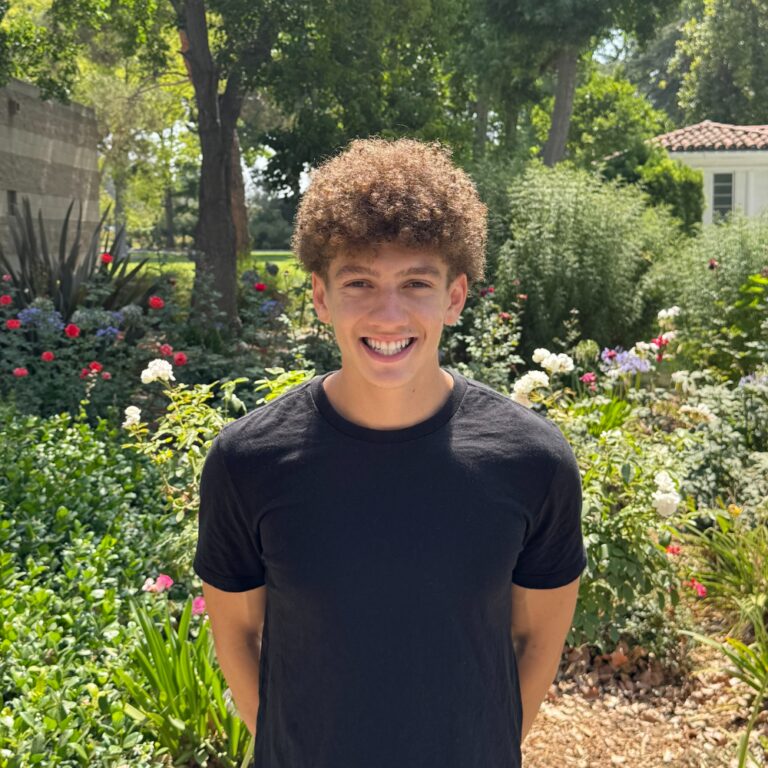
Poster #030, City of Hope
Optimizing CD3ζ Signaling to Enhance CAR-T Cell Persistence in Glioblastoma
Mentors: Guihua Sun, PhD, PI: Yanhong Shi, PhD
Chimeric antigen receptor (CAR) T-cell therapy efficacy in solid tumors such as glioblastoma (GBM) is limited due to poor persistence and T-cell exhaustion. One contributing factor is excessive intracellular signaling through multiple immunoreceptor tyrosine-based activation motifs (ITAMs) within the CD3ζ T- Cell Activation Domain. This study aims to enhance CAR- T Cell persistence using the 1XX design, where six tyrosine residues in the CD3ζ domain are mutated to phenylalanine, leaving a single functional ITAM. The CAR-T cells were engineered with CD19 and EGFR-targeting scFvs, a CD34 marker, Ig4 hinge, CD28 costimulatory domain, and either a wild-type (WT) or 1XX-modified CD3ζ domain. WT and 1XX CAR-T cells were evaluated using assays that assess activation strength, functional responses, and persistence in GBM models. This study shows that the CD3ζ signal tuning can be used as a strategy to increase CAR-T durability and may support the development of next generation CAR-T therapies for solid tumors.